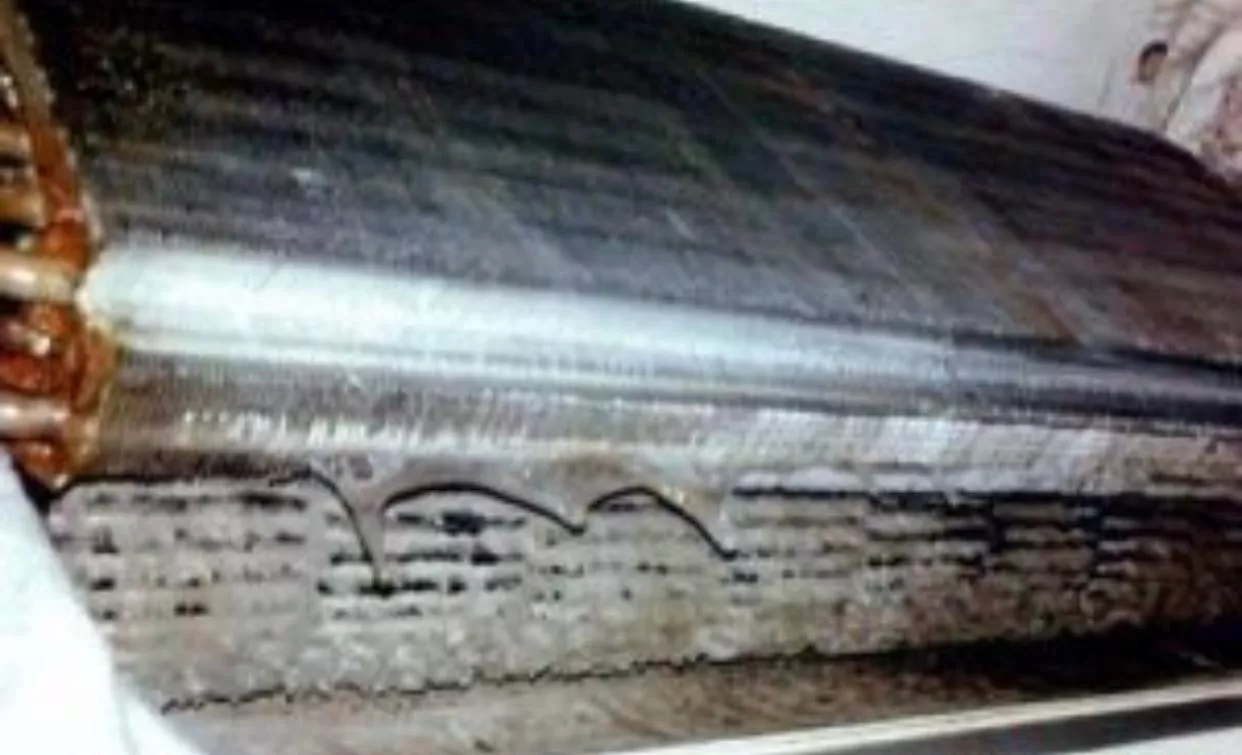
When your aircon's indoor unit develops frost or ice, it means the evaporator coil temperature has dropped below freezing—typically caused by restricted airflow (blocked filters, dirty coils), low refrigerant pressure, or drainage issues. In Singapore's 80%+ humidity, ice buildup also prevents proper dehumidification. Most cases cost between $50–$80 for chemical cleaning to restore airflow, or $120–$180 for refrigerant top-ups if there's a leak. Same-day diagnosis and repair prevents compressor damage, which runs $800–$1,500 to replace.
Why Ice Forms on Your Aircon (and Why It Matters in Singapore)
Ice on an aircon isn't normal operation—it's a symptom of thermal imbalance. The evaporator coil is designed to run cold (7–12°C surface temperature) but above freezing. When that coil drops below 0°C, the moisture in Singapore's humid air freezes on contact instead of condensing into water and draining away.
The Physics Behind Aircon Icing
Your aircon works by evaporating refrigerant inside the indoor coil, absorbing heat from room air blown across it by the blower fan. If airflow is restricted or refrigerant pressure is too low, the coil temperature plummets below freezing. Ice then insulates the coil further, compounding the problem. Eventually the compressor works harder, risks overheating, and you're looking at a $800+ repair instead of a $60 cleaning.
High Humidity Accelerates Ice Buildup
Singapore's year-round 80–90% relative humidity means there's always abundant moisture in the air. A partially blocked coil will ice up faster here than in drier climates—sometimes within 30–60 minutes of switching on. If you see frost on the copper pipes or the indoor unit casing, the coil inside is already heavily iced.
The Five Main Causes of Aircon Icing (and What Each Costs to Fix)
| Cause | How It Happens | Symptoms | Typical Repair Cost |
|---|---|---|---|
| Clogged Air Filter | Dust, lint, and fibres block airflow through filter; coil starves for warm air | Weak airflow, ice on pipes, filter visibly grey/black | $0 (DIY clean) or $50–$80 (chemical wash if coil also dirty) |
| Dirty Evaporator Coil | Dust and mould coat coil fins, insulating them from room air | Ice buildup, musty smell, reduced cooling, water leaks | $60–$100 (chemical cleaning, 1 unit) |
| Low Refrigerant / Gas Leak | Slow leak or improper charging drops evaporator pressure and temperature | Ice on copper pipes, compressor runs non-stop, warm air output | $120–$180 (leak repair + top-up for R410A/R32); $200–$280 for major leaks |
| Faulty Blower Fan or Motor | Fan runs slowly or intermittently; insufficient air circulation | Very weak airflow, ice on coil, unusual noise or silence from fan | $150–$250 (fan motor replacement) |
| Blocked Drainage / High Humidity Load | Algae or dirt clogs drain pipe; condensate backs up and refreezes on coil | Water leaking indoors, ice at drain tray, gurgling sounds | $60–$100 (drain flush and treatment) |
The Clogged Filter Trap
Most HDB and condo owners forget that the filter should be rinsed every two weeks. A visibly dirty filter cuts airflow by 40–60%, forcing the coil to over-cool the reduced volume of air passing over it. Ice appears on the copper suction line (the thicker, insulated pipe) within an hour of operation. The fix is free if you catch it early: pull the filter, rinse under a tap, dry, and reinsert. If the coil behind it is also caked in dust, you need a chemical wash—$60–$80 per indoor unit.
Low Refrigerant: The Silent Killer
Refrigerant doesn't 'run out' through normal use—if it's low, there's a leak. Even a small leak (5–10 g/year) will eventually drop system pressure enough to cause icing. The suction line feels cold to the touch instead of cool, and frost extends along the pipe into the wall. Technicians use electronic leak detectors and nitrogen pressure tests to find the leak (common spots: flare joints at the outdoor unit, brazed connections behind the indoor unit). Repair plus R410A or R32 top-up costs $120–$180 for minor leaks, up to $280 if multiple joints need re-brazing.
When the Blower Fan Fails
Blower motors can wear out after 8–12 years, especially in dusty environments (near main roads, construction). If the fan doesn't spin at full speed, the coil doesn't get enough warm air to evaporate refrigerant properly. You'll hear the compressor running but feel almost no air from the vents, and ice will coat the entire evaporator. Replacing a blower motor costs $150–$250 including labour, and takes about 45–60 minutes.
The Right Repair Approach: Diagnosis Before Disassembly
A proper icing diagnosis takes 10–15 minutes and requires no guesswork. Here's the step-by-step process we follow at aircons.sg, which you should expect from any competent technician.
Step 1: Visual and Airflow Check (2 minutes)
- Remove and inspect the air filter—if it's clogged, that's likely the primary cause
- Check airflow at the vents with a hand test—weak flow points to blockage or fan issue
- Look for ice on the copper suction line or visible frost on the indoor unit body
Step 2: Measure Operating Pressures (5 minutes)
We connect a manifold gauge set to the outdoor unit's service ports. For R410A systems (most common in Singapore since 2010), normal operating pressures in our climate are approximately:
- Suction (low) side: 115–135 psi (coil inlet)
- Discharge (high) side: 350–450 psi (compressor outlet)
If the suction pressure reads below 100 psi, refrigerant is low. If it reads normal but the coil is still icing, airflow or drainage is the culprit.
Step 3: Inspect Evaporator Coil and Drain (5 minutes)
With the cover removed, we look for:
- Dust or mould coating the aluminium fins
- Ice accumulation on the coil itself
- Standing water in the drain tray (indicates clog)
- Blower fan condition—does it spin freely, any unusual noise?
Step 4: Recommend and Quote
Once we know the cause, we give you a fixed price before starting work. No 'diagnosis fees' that disappear into the final bill—our 9-point pre-check is free, and you only pay if you proceed with the repair. If it's a simple filter issue, we'll tell you to clean it yourself and save the money. If it needs a chemical wash, gas top-up, or part replacement, you'll know the exact cost and timeline upfront.
What Happens If You Ignore Icing
Running an aircon with ice buildup isn't just inefficient—it's destructive. Here's the damage timeline:
First 1–2 Hours: Reduced Cooling and Efficiency
Ice insulates the coil, preventing heat exchange. Your aircon runs continuously but the room stays warm. Electricity consumption spikes by 20–40% because the compressor works harder for less output.
After 4–8 Hours: Water Damage Risk
When you finally switch off the unit, the ice melts rapidly. If the drain is also partially blocked (common when icing is caused by drainage issues), the drain tray overflows. Water leaks through the indoor unit casing, down your wall, onto floors or furniture. In HDB flats, this can seep into the unit below—your neighbour's ceiling gets water stains, and you're liable for repair costs ($300–$800 depending on damage).
After 24+ Hours of Intermittent Icing: Compressor Damage
The compressor is designed to pump vapour, not liquid. When refrigerant doesn't fully evaporate in the iced-up coil, liquid refrigerant floods back to the compressor—a condition called 'liquid slugging'. This can crack the compressor's internal valves or seize the motor. Compressor replacement costs $800–$1,500 depending on capacity (9,000–24,000 BTU range common in Singapore homes). At that point, many owners opt to replace the entire system instead.
DIY Fixes vs. When to Call a Technician
You can safely handle some icing causes yourself. Others require tools, refrigerants, and experience you won't have at home.
Safe DIY: Filter Cleaning and Basic Checks
If your aircon ices up and you haven't cleaned the filter in a month or more:
- Switch off the aircon and let any ice melt completely (1–2 hours)
- Remove the filter (usually clips or slides out from the front panel)
- Rinse under a tap, use a soft brush if needed, let it dry fully
- Reinsert the filter, switch on, and monitor for 30 minutes
If airflow is strong and no new ice forms, you've solved it. If ice reappears or airflow is still weak, the coil itself is dirty—call a technician.
Not DIY: Refrigerant, Electrical, and Internal Components
Do not attempt to:
- Top up refrigerant yourself—handling R410A or R32 requires certification, and incorrect charging will cause worse icing or compressor damage
- Disassemble the indoor unit to clean the coil—you risk damaging the fins (they're 0.1 mm aluminium) or disconnecting drain hoses, causing leaks
- Test or replace the blower motor—this involves mains voltage (230V AC) and precise fan balancing
Cost of Waiting vs. Cost of Calling Now
A chemical wash booked today costs $60–$80 and prevents compressor damage. Waiting until the compressor fails costs $800–$1,500. The math is clear. We offer same-day service across Singapore (HDB, condo, landed) and our 90-day workmanship warranty covers any repeat issues from the same root cause.
Preventing Aircon Icing: Maintenance Schedule for Singapore Conditions
Singapore's heat and humidity mean aircons work harder and accumulate grime faster than in temperate climates. Here's the maintenance frequency that actually prevents icing:
| Task | Frequency | Why It Matters |
|---|---|---|
| Filter rinse | Every 2 weeks | Prevents 80% of icing cases; takes 5 minutes |
| Chemical wash (indoor coil) | Every 6–12 months | Removes mould, algae, and dust that filters miss; restores full airflow |
| Gas pressure check | Every 12 months, or if cooling weakens | Catches slow leaks before they cause icing or compressor damage |
| Drain pipe flush | Every 12 months | Prevents blockages that cause water backup and secondary icing |
| Full system overhaul | Every 3–5 years | Replaces worn parts (fan bearings, capacitors) before failure |
Units running 10+ hours daily (bedrooms, server rooms) should move to the shorter end of each range. Occasional-use units (guest rooms) can stretch to the longer intervals.
Frequently Asked Questions
Can I just scrape the ice off my aircon and keep using it?
No—scraping ice risks damaging the delicate aluminium coil fins and doesn't fix the underlying cause (blocked airflow, low refrigerant, or drainage issue). The ice will return within an hour. Switch off the unit, let it melt naturally, then diagnose the root cause. Running an icing aircon continuously can crack the compressor, turning a $60 cleaning into an $800+ replacement.
How long does it take to fix an aircon that's icing up?
For a dirty filter or coil, chemical cleaning takes 45–90 minutes per indoor unit and fixes the icing immediately. If refrigerant is low, leak detection and repair plus gas top-up takes 1.5–2.5 hours depending on leak location. Blower motor replacement takes about 1 hour. We offer same-day service across Singapore, so most icing issues are resolved within 3–4 hours of your WhatsApp message.
Why does my aircon only ice up at night or when set to 16°C?
Setting the thermostat very low (16–18°C) forces the compressor to run continuously, which can expose marginal airflow or refrigerant issues that don't appear at 24–25°C. At night, lower ambient temperatures (26–28°C vs. 30–32°C daytime) also reduce heat load, so any airflow restriction causes faster icing. The root cause is still dirty filters/coils or low gas—the cold setting just makes it visible sooner. Fix the underlying issue rather than avoiding low temperatures.
Is icing more common with R410A or R32 refrigerant?
Both R410A and R32 systems ice up at similar rates when airflow is blocked or refrigerant is low—the refrigerant type doesn't significantly change icing risk. R32 operates at slightly lower pressures (10–15% less than R410A), so a given leak rate will show symptoms marginally faster, but the difference is negligible in real-world conditions. Older R22 systems (pre-2010) are more prone to icing simply because they're older and more likely to have worn seals and dirty coils.
Will icing damage my aircon permanently, or can it always be fixed?
Icing itself is reversible if caught early—a chemical wash or gas top-up restores normal operation with no lasting damage. However, running an icing aircon for extended periods (days to weeks) can cause permanent compressor damage from liquid slugging, costing $800–$1,500 to replace. If you see ice, switch off immediately and get it diagnosed the same day. Our 90-day workmanship warranty covers any recurrence from the same cause, so you're protected once it's properly repaired.
Get Your Icing Aircon Fixed Today (Before the Compressor Goes)
Ice on your aircon isn't something to live with or 'see if it goes away'—it's a clear signal that airflow, refrigerant, or drainage needs immediate attention. Most fixes cost under $180 and take less than two hours, while ignoring the problem leads to $800+ compressor replacements. At aircons.sg, we start every job with a free 9-point pre-check to pinpoint the exact cause, then give you a fixed price before any spanners come out. Same-day service across HDB, condo, and landed properties, with a 90-day workmanship warranty on all repairs. WhatsApp us now at +65 9107 2601—we'll diagnose it today and have your aircon running ice-free by tonight.
Going deeper: icing is one of the clearest signs of a low charge - where refrigerant leaks actually happen covers the five usual sources.